Cleft Lip & Palate Repair Surgery
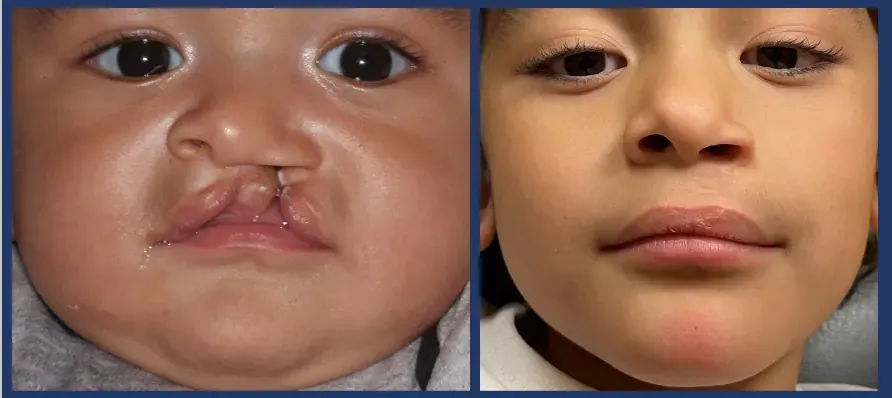
Cleft lip and cleft palate are among the most common congenital birth defects, affecting approximately one in every 700 live births worldwide. A cleft lip is an opening or split in the upper lip that occurs when facial structures do not fuse completely during prenatal development, while a cleft palate is an opening in the roof of the mouth. These conditions can occur independently or together, and they range in severity from a small notch in the lip to a complete separation extending through the palate into the nasal cavity.
Overview
Cleft lip and cleft palate are among the most common congenital birth defects, affecting approximately one in every 700 live births worldwide. A cleft lip is an opening or split in the upper lip that occurs when facial structures do not fuse completely during prenatal development, while a cleft palate is an opening in the roof of the mouth. These conditions can occur independently or together, and they range in severity from a small notch in the lip to a complete separation extending through the palate into the nasal cavity.
Cleft conditions are broadly classified into unilateral (one-sided) and bilateral (both-sided) forms, each requiring a tailored surgical approach. While the exact cause is often multifactorial — involving genetic predisposition and environmental factors — the condition is highly treatable through surgical intervention. Early repair is critical not only for restoring normal facial anatomy and appearance but also for enabling proper feeding, speech development, and dental growth.
At Dr Amit Aesthetics in Aligarh, Dr. Amit Agrawal provides expert cleft lip and palate repair using contemporary surgical techniques refined over 30 years of plastic and reconstructive surgery practice. Treatment follows a team-based approach that may involve coordination with pediatricians, orthodontists, speech therapists, and ENT specialists to ensure the best possible functional and aesthetic outcomes for every child.
What it addresses
- Unilateral cleft lip repair (Millard rotation-advancement technique)
- Bilateral cleft lip repair
- Primary cleft palate repair (Bardach two-flap palatoplasty)
- Secondary palate revision surgery
- Alveolar bone grafting for dental arch continuity
- Rhinoplasty for cleft-related nasal deformity
- Lip and nose revision surgeries for improved aesthetics
Recovery & aftercare
Cleft lip repair typically requires a hospital stay of one to two days. The child is placed on a liquid or soft diet for approximately two weeks following palate repair, with arm splints used to prevent the child from touching the surgical site. Sutures are usually absorbable and dissolve on their own within seven to ten days. Swelling and bruising around the lip and nose subside significantly within two to three weeks. Most children resume normal feeding within three to four weeks after palate surgery. Long-term follow-up is essential to monitor speech development, dental alignment, and facial growth, with revision procedures performed as needed during childhood and adolescence.